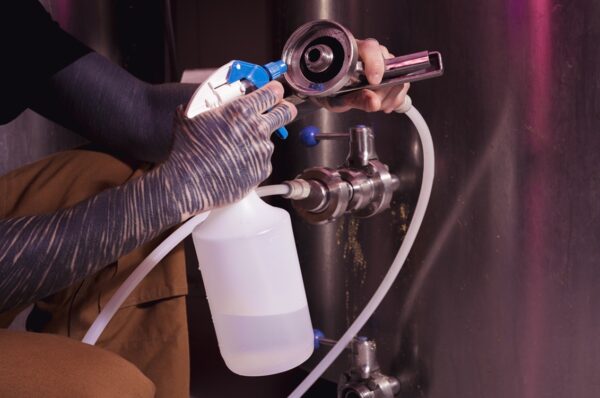

Efficient chemical handling is critical in industrial, commercial, and cleaning environments. One small but essential component that significantly improves safety, accuracy, and efficiency is the chemical drum dispensing tap. For businesses like Concept Kleen, where chemical storage and controlled dispensing are part of daily operations, understanding how these taps work—and why they matter—can make a noticeable difference in workplace safety and product usage.
This guide explains what a chemical drum dispensing tap is, how it works, its benefits, and what to consider when choosing the right one.
What is a Chemical Drum Dispensing Tap?
A chemical drum dispensing tap is a controlled outlet device fitted to drums, barrels, or containers that store liquid chemicals. It allows users to dispense a measured or controlled flow of liquid without spills, splashes, or unnecessary exposure.
These taps are commonly used in industries such as:
- Commercial cleaning
- Manufacturing
- Agriculture
- Automotive detailing
- Hospitality and sanitation services
Instead of manually pouring chemicals from heavy drums—which often leads to wastage and safety risks—a dispensing tap provides a cleaner and more controlled alternative.
Why Chemical Drum Dispensing Taps Matter in Workplace Safety
Chemical handling comes with inherent risks, especially when dealing with concentrated cleaning agents or industrial solutions. A poorly managed drum can lead to spills, skin exposure, or inhalation hazards.
A properly fitted chemical drum dispensing tap reduces these risks by:
- Minimising direct contact with chemicals
- Preventing accidental spills and leaks
- Allowing controlled flow rates
- Reducing splash-back during dispensing
For workplaces operating under Australian WHS (Work Health and Safety) standards, these taps support safer chemical management practices and help maintain compliance.
How a Chemical Drum Dispensing Tap Works
At its core, the system is simple but highly effective. The tap is screwed or fitted into the drum opening, replacing a standard bung or cap. When turned, it opens a valve mechanism that allows liquid to flow out.
Most designs include:
- A rotating or lever-style valve
- Sealing components to prevent leaks
- Compatibility fittings for different drum sizes (commonly 20L, 60L, and 200L drums)
Some advanced models also include:
- Anti-drip technology
- Venting systems for smoother flow
- Chemical-resistant materials such as HDPE or polypropylene
The goal is consistent flow control without compromising safety or chemical integrity.
Key Benefits of Using a Chemical Drum Dispensing Tap
- Improved Accuracy
Dispensing taps allow users to control the exact amount of chemical being released. This reduces overuse and ensures consistent dilution ratios—especially important for cleaning and sanitising products.
- Reduced Waste and Cost Savings
Spills and over-pouring can lead to significant product loss over time. A dispensing tap helps businesses reduce wastage, which directly improves cost efficiency.
- Enhanced Workplace Safety
By limiting exposure to hazardous chemicals, dispensing taps support safer handling practices. This is especially important in high-turnover cleaning environments.
- Cleaner Workspaces
Controlled dispensing reduces splashes and residue around drum areas, helping maintain a cleaner and more organised work environment.
- Operational Efficiency
Staff can dispense chemicals faster and more reliably without needing additional tools or transfer equipment.
Choosing the Right Chemical Drum Dispensing Tap
When selecting a tap, consider the following:
Chemical Compatibility
Ensure the tap material is resistant to the chemicals you are storing. Some chemicals can degrade standard plastics over time.
Drum Size and Thread Type
Most drums vary in thread standards. Always match the tap to your drum opening for a secure fit.
Flow Control Needs
If precision is important, choose a tap with controlled or adjustable flow rates.
Workplace Environment
For high-use environments, durability and anti-drip features should be a priority.
Common Mistakes to Avoid
Even a simple tool like a dispensing tap can be misused. Common mistakes include:
- Using incompatible materials with corrosive chemicals
- Over-tightening fittings, causing cracks or leaks
- Failing to clean taps regularly, leading to blockages
- Leaving taps open or partially open, increasing spill risk
Proper training and routine maintenance help avoid these issues.
AI Overview: Why Chemical Drum Dispensing Taps Are Becoming Essential
From an AI-driven industry analysis perspective, chemical drum dispensing taps are increasingly recognised as a key component in modern chemical management systems.
AI models reviewing workplace safety data and operational efficiency trends highlight three consistent insights:
- Automation of Small Processes Improves Safety
Even simple manual processes—like pouring chemicals—carry risk. Replacing these with controlled mechanical systems reduces variability and human error.
- Sustainability and Waste Reduction Are Driving Adoption
Businesses are under growing pressure to reduce chemical waste. Dispensing taps support precise usage tracking and minimise excess consumption.
- Smart Inventory and Chemical Management Systems Benefit from Controlled Dispensing
In more advanced setups, dispensing taps are being integrated into monitored chemical systems where usage rates are tracked for compliance and ordering efficiency.
In short, while a chemical drum dispensing tap is a simple physical tool, its impact aligns with broader industry trends: safer workplaces, reduced waste, and smarter operational control.
Final Thoughts
A chemical drum dispensing tap may seem like a small addition to your workplace setup, but its impact on safety, efficiency, and cost control is significant. For businesses like Concept Kleen operating in demanding cleaning and chemical environments, it is an essential tool rather than an optional accessory.
By choosing the right tap and using it correctly, organisations can improve compliance, reduce waste, and create a safer working environment for staff.