Microfiber cleaning cloths are a staple in any home or commercial cleaning toolkit. Their ability to trap dust, dirt, and grime makes them highly efficient, but maintaining their effectiveness requires proper care. In this article, we’ll guide you through the best practices for washing and maintaining your microfiber cloths, so they last longer and perform at their best.
What Makes Microfiber Special?
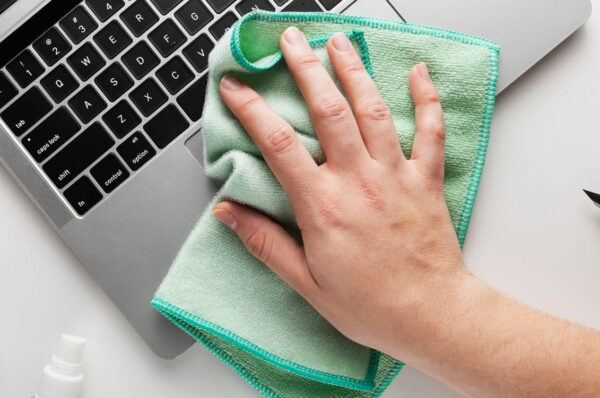
Before diving into cleaning techniques, it’s important to understand why microfiber cloths are different from regular cleaning cloths. Microfiber is made of synthetic fibres—usually polyester and polyamide—that are split to create thousands of tiny fibres per square inch.
These microfibres:
- Trap dirt and dust more effectively than cotton
- Absorb liquids quickly
- Can clean surfaces with minimal or no chemicals
Because of this unique structure, improper washing can reduce their effectiveness, making proper maintenance crucial.
Types of Microfiber Cloths
Not all microfiber cloths are created equal. Understanding the different types helps you get the best results:
- Blue Waffle Cloth 40×40
- Chamois Cloth – 1 Piece
- Chamois Cloth – 3 Pieces Non Perforated
- Chamois Cloth – 3 Pieces Perforated Heavy
- Clay Cloth – Grey & Blue
- Pink Microfibre Cloth 10 Pack (50×50 cm)
- Premium Microfibre Cloth Pink – Ultra Soft Lint-Free Car Detailing Cleaning Cloth (Pack of 10)
- Premium Microfibre Cloth Yellow – Ultra Soft Lint-Free Car Detailing Cleaning Cloth (Pack of 10)
- Yellow Microfibre Cloth 10 Pack (50×50 cm) – Car Detailing Cleaning & Polishing Towels
The Role of AI in Modern Cleaning Practices
Artificial Intelligence (AI) is reshaping the cleaning industry. Smart systems can now:
- Recommend optimal cleaning schedules for different surfaces
- Analyse wear patterns in cleaning materials
- Offer predictive maintenance tips for cleaning cloths
While AI can guide when to wash or replace your cloths, the actual care still depends on proper washing and maintenance practices. Combining AI insights with hands-on care ensures your microfiber cloths remain highly effective.
How Often Should You Wash Microfiber Cloths?
The frequency of washing depends on usage:
- Light cleaning (dusting, wiping mirrors): Wash every 3–5 uses
- Heavy cleaning (kitchen, bathroom, spills): Wash after each use
- Highly contaminated tasks (chemicals, grease): Wash immediately
Regular washing prevents dirt and grime from building up, which can scratch surfaces and reduce the cloths’ lifespan.
Step-by-Step Guide: Washing Microfiber Cloths
1. Sort Your Cloths
- Separate cloths by colour to prevent dye transfer
- Avoid mixing with lint-producing fabrics like cotton
2. Choose the Right Detergent
- Use a mild, liquid detergent
- Avoid bleach, fabric softeners, and dryer sheets—they clog fibres
3. Wash Settings
- Wash in warm water (40°C max)
- Use a gentle cycle to prevent fibre damage
4. Drying Microfiber Cloths
- Air-dry when possible to extend lifespan
- If using a dryer, choose a low heat or no-heat setting
- Avoid dryer sheets as they coat fibres and reduce absorbency
Common Mistakes to Avoid
- Using bleach or harsh chemicals: Breaks down the fibres
- Ironing microfiber cloths: High heat melts synthetic fibres
- Washing with linty fabrics: Reduces cleaning efficiency
- Not washing frequently enough: Dirt accumulates, reducing performance
Pro Tips for Maintaining Microfiber Cloths
- Store cloths in a clean, dry area
- Fold them instead of crumpling to prevent fibre damage
- Label cloths for specific tasks (e.g., kitchen vs bathroom)
- Rotate cloths to evenly distribute wear
Why Proper Maintenance Matters
Properly washed and maintained microfiber cloths:
- Last up to 500 washes, making them highly cost-effective
- Maintain superior absorbency and cleaning power
- Prevent cross-contamination, especially in kitchens and bathrooms
- Reduce environmental waste by prolonging lifespan
Conclusion
Microfiber cloths are powerful cleaning tools, but their effectiveness depends on how you care for them. By washing them correctly, avoiding common mistakes, and using AI insights to monitor their condition, you can ensure they remain efficient, hygienic, and long-lasting.
With these tips from Concept Kleen, you’ll get the most out of your microfiber cloths—saving money, time, and effort while keeping your spaces spotless.