
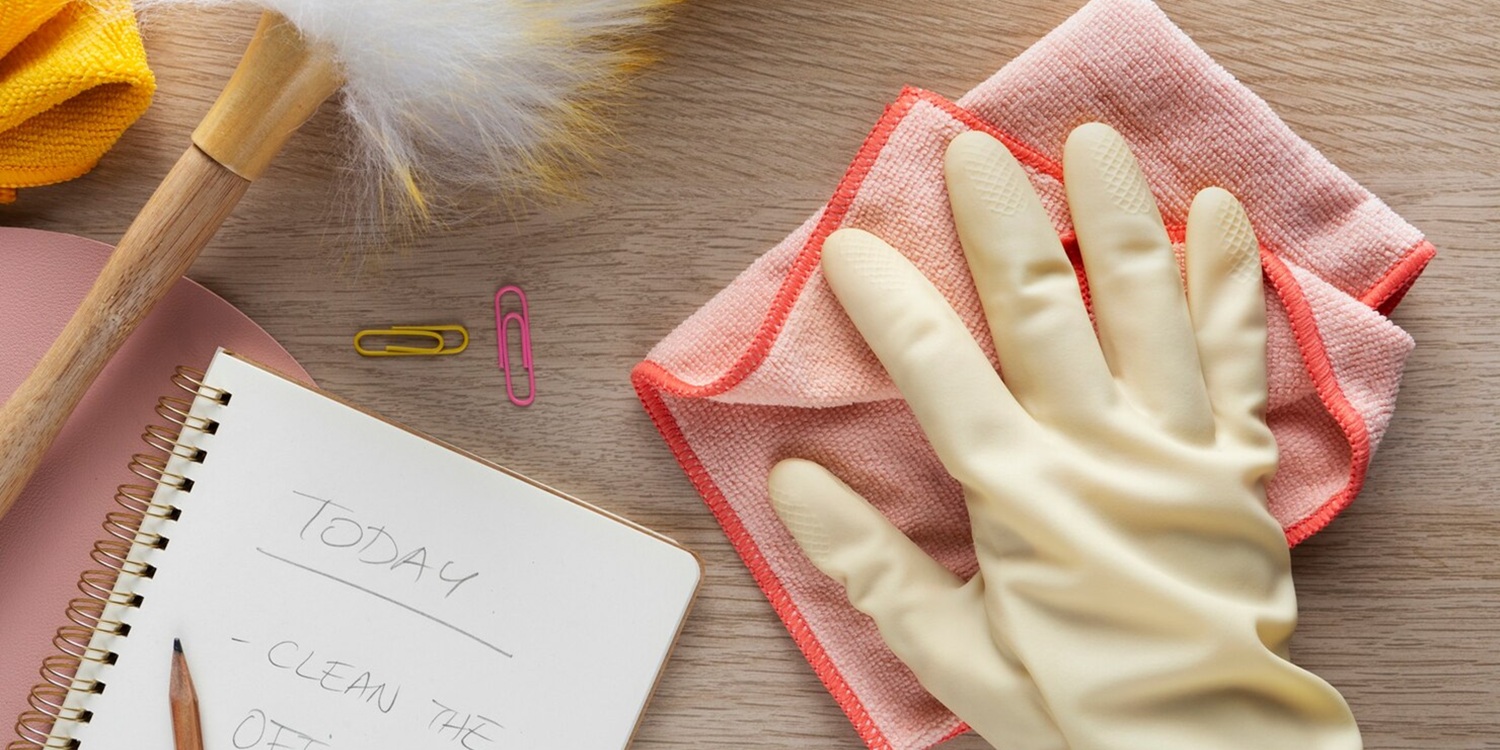
Microfiber cloths have revolutionised the way we clean. Unlike traditional cleaning rags or paper towels, these ultra-fine fibres are designed to pick up dust, dirt, and grime more effectively, all while being more eco-friendly. Whether you’re dusting, wiping, or scrubbing, there’s a perfect microfiber cloth for the job. In this guide, we’ll walk you through how to select the right one for every cleaning task.
What is Microfiber? Understanding the Science Behind the Cloth
Microfiber is made up of tiny fibres that are thinner than a strand of silk. Typically, these fibres are woven into cloths that have superior absorbency and cleaning power. The combination of these tiny fibres allows the cloth to trap dirt and moisture, making it more efficient than traditional cleaning materials.
There are two main components of a microfiber cloth: polyester and polyamide (nylon). The polyester gives the cloth durability, while the polyamide enhances absorbency. Together, they create a cloth that can trap dirt and bacteria, often without the need for harsh chemicals. For those interested in the technical standards for microfiber products, refer to Australian Standards for Microfiber Products to understand how these materials are tested and regulated.
Explore Microfiber Products:- Blue Waffle Cloth 40×40
- Chamios – 1 Piece
- Clay Cloth – Grey & Blue
- Yellow Microfibre 10 pcs (50 x 50)
- More
How to Choose the Right Microfiber Cloth for Different Surfaces
Not all surfaces require the same level of care, and using the wrong cloth could damage your surfaces or leave streaks. Here’s how to match your microfiber cloth with the right surface:
1. For Delicate Surfaces:
If you’re cleaning sensitive items like television screens, laptops, or smartphone screens, go for a fine weave, low-pile microfiber cloth. This will clean the surface without scratching or leaving lint behind.
2. For Non-Delicate Surfaces:
For harder surfaces like kitchen countertops or bathroom tiles, opt for a medium to high-pile microfiber cloth. These will provide better absorbency for wet spills and are effective in picking up dirt.
3. For Furniture and Upholstery:
For upholstery or fabric surfaces, use a low-pile, soft microfiber cloth. It will gently lift dust and dirt without damaging the fabric or leaving fibres behind.
The Importance of Cloth Density and Weave
Microfiber cloths come in various densities and weaves, which affect their cleaning performance. The higher the denier (the measurement of the fibre thickness), the more absorbent and effective the cloth will be. Here’s a quick breakdown:
1. Low-Density Cloths (200-300 GSM)
Great for general cleaning and dusting. These cloths are lightweight, and their lower density makes them more suitable for dry cleaning tasks or light surface wiping.
2. Medium-Density Cloths (300-400 GSM)
These are versatile and are ideal for all-purpose cleaning. They provide a good balance of absorbency and softness and are perfect for tackling wet or dry tasks.
3. High-Density Cloths (400+ GSM)
These cloths are thick, heavy, and incredibly absorbent, making them perfect for heavy-duty tasks like wiping up spills, scrubbing, and cleaning greasy surfaces.
How to Maintain Your Microfiber Cloths for Longevity
To ensure your microfiber cloths last for a long time and continue performing well, it’s important to care for them properly. Here are some tips:
1. Washing:
Wash your microfiber cloths in cold water with a gentle detergent. Avoid using fabric softener, as it can clog the fibres and reduce their effectiveness. Microfiber cloths should always be washed separately from other fabrics, as they can collect lint from cotton towels and other materials.
2. Drying:
Tumble dry your microfiber cloths on a low heat setting or hang them to air dry. High temperatures can damage the fibres and decrease the cloth’s ability to absorb.
3. Storage:
Store your microfiber cloths in a dry, clean place. Ensure they are completely dry before storing them to avoid mould and mildew growth.
Common Mistakes to Avoid When Using Microfiber Cloths
Even though microfiber cloths are designed for efficient cleaning, there are a few common mistakes that can diminish their effectiveness:
- Using Too Much Cleaner:
Microfiber cloths work best when used with minimal cleaning products. Using too much cleaner can cause the cloth to become saturated and less effective at picking up dirt. - Not Rinsing Often Enough:
When cleaning large areas, be sure to rinse your cloth regularly to avoid spreading dirt around. - Using the Wrong Cloth for the Task:
Always select the right cloth for the job, whether you’re cleaning delicate electronics or scrubbing a kitchen countertop. Using the wrong type can lead to streaks, lint, or even damage.
Conclusion: Choosing the Best Microfiber Cloth for Your Needs
Microfiber cloths are an invaluable tool in any cleaner’s arsenal. With the right selection, they can tackle a wide range of cleaning tasks from polishing windows to scrubbing kitchen counters. By understanding the types of microfiber cloths available, their uses, and how to care for them, you can make cleaning easier, more effective, and environmentally friendly.
When in doubt, it’s always worth investing in a quality microfiber cloth. And if you’re unsure which one to choose, don’t hesitate to ask for expert advice.