
Walk into any office, retail store, or warehouse and you can tell within seconds whether the business behind it takes hygiene seriously. That first impression isn’t just cosmetic — it directly affects staff health, customer trust, and your bottom line.
Commercial deep cleaning has moved well beyond “making things look tidy.” In 2026, it’s a measurable part of workplace health and safety, indoor air quality compliance, and brand reputation — especially as businesses face tighter WHS scrutiny, hybrid-work cleaning gaps, and customers who now actively check hygiene standards before choosing where to spend their money.
This guide breaks down exactly what deep cleaning involves, why it matters more than ever this year, how often your business should schedule it, and how to choose a provider that actually delivers results — not just a mop and a spray bottle.
What Is Commercial Deep Cleaning? (And How It Differs From Routine Cleaning)
Routine cleaning — emptying bins, wiping desks, vacuuming — keeps a space looking clean day to day. Deep cleaning goes underneath and behind that surface layer to remove the buildup that daily cleaning simply can’t reach.
| Routine Cleaning | Deep Cleaning |
|---|---|
| Daily/weekly surface wiping | Scheduled quarterly or bi-annual deep treatment |
| Visible dust and rubbish removal | Grout, carpet fibres, HVAC ducts, behind furniture |
| General disinfecting of desks | Sanitising high-touch points, restrooms, kitchenettes at a microbial level |
| Maintains appearance | Improves air quality, hygiene compliance, and asset lifespan |
Deep cleaning typically targets:
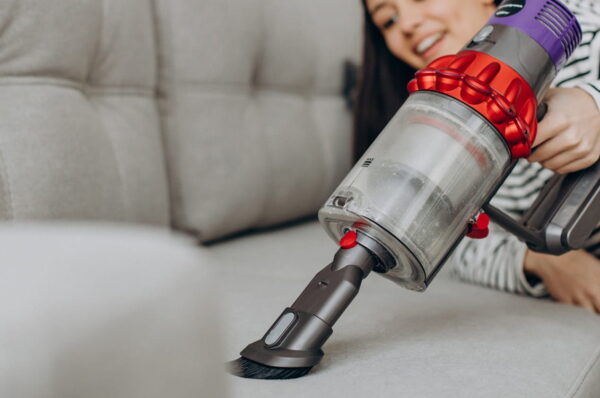
- Floor grout, carpets, and upholstery — where dust, allergens, and bacteria accumulate over months
- Air ducts and HVAC systems — a major factor in indoor air quality (IAQ), which the Australian Government’s Safe Work Australia recognises as a workplace health consideration
- Restrooms and kitchenettes — high-risk zones for bacterial and viral transmission
- High-touch surfaces — door handles, lift buttons, light switches, shared equipment
- Hard-to-reach areas — behind appliances, under furniture, ceiling vents, window tracks
Why Deep Cleaning Matters More in 2026 Than Ever Before
A few shifts are changing how businesses approach commercial hygiene this year:
- Hybrid work has created uneven cleaning patterns. Offices with fluctuating occupancy often get cleaned on a fixed schedule that no longer matches actual usage, leaving deep-seated grime to build up unnoticed.
- Indoor air quality is under more scrutiny. Post-pandemic awareness has made HVAC and duct cleanliness a standard question in workplace health audits, not just a maintenance afterthought.
- Customers research hygiene before visiting. Google Business Profile reviews, social proof, and word of mouth increasingly reference cleanliness — particularly for hospitality, retail, healthcare, and childcare businesses.
- WHS compliance expectations have tightened. Businesses in food service, healthcare, and manufacturing face closer inspection of hygiene standards, with real financial and legal consequences for non-compliance.
- Sustainability expectations are rising. More commercial clients now expect eco-certified products and reduced water/chemical waste as a baseline, not a premium add-on.
7 Reasons Regular Deep Cleaning Is Non-Negotiable for Your Business
1. It Protects Employee Health and Reduces Sick Days
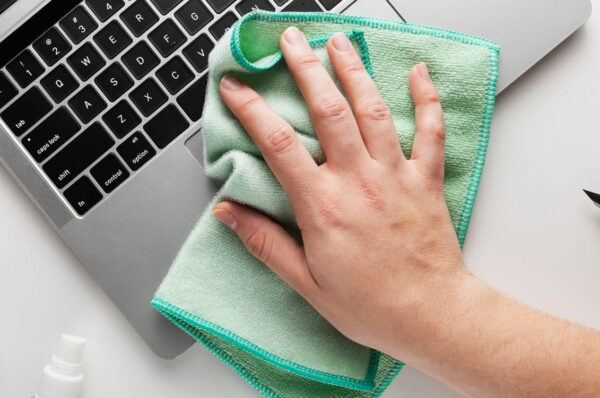
Desks, keyboards, shared kitchenettes, and door handles are prime transmission points for colds, flu, and other viruses. Routine cleaning alone doesn’t eliminate embedded bacteria in carpets or upholstery. Scheduled deep cleaning directly reduces pathogen load in these zones, which translates to fewer sick days and lower absenteeism costs.
Poor air quality — driven by dust, mould spores, and pollen circulating through uncleaned HVAC systems — is also linked to fatigue, headaches, and respiratory irritation. Regular duct and filter cleaning is one of the simplest ways to improve this.
2. It Boosts Productivity and Morale
Employees working in a visibly clean, well-maintained space report fewer distractions and higher focus. Clutter and grime create low-level stress that compounds over a working week. A clean environment isn’t a luxury — it’s an operational input, the same way good lighting or ergonomic furniture is.
3. It Protects Your Brand’s First Impression
Clients form an opinion about your business within seconds of walking through the door. A spotless reception area, clean restrooms, and fresh-smelling office signal professionalism and attention to detail. A neglected space raises silent doubts about the quality of your actual products or services — even if the work itself is excellent.
4. It Extends the Life of Furniture, Carpets, and Equipment
Untreated stains, dust buildup in electronics, and grime trapped in carpet fibres cause premature wear. Dust accumulation inside computers and printers is also a known cause of overheating and hardware failure. Routine deep cleaning is significantly cheaper than replacing carpets, furniture, or equipment ahead of schedule.
5. It Saves Money Over Time
Deep cleaning looks like an added cost until you compare it to the alternative: premature asset replacement, higher sick leave costs, and potential WHS fines. Businesses that treat deep cleaning as preventative maintenance consistently spend less over a 3–5 year period than those that only clean reactively.
6. It Keeps You Compliant With WHS and Hygiene Regulations
Australian workplaces are required to meet health and safety obligations under state and federal WHS law. Industries like food service, healthcare, aged care, and manufacturing face additional hygiene-specific codes. Falling short can mean fines, failed inspections, or reputational damage — deep cleaning is a straightforward way to stay ahead of these requirements. See Safe Work Australia’s guidance on workplace health for current obligations.
7. It Can Be Tailored to Your Industry
A medical clinic, a warehouse, and a corporate office all have different risk points and compliance needs. A one-size-fits-all cleaning schedule leaves gaps. The most effective approach is a deep cleaning plan built around your specific industry, foot traffic, and layout — not a generic checklist.
How Often Should You Deep Clean? (2026 Recommended Frequency Guide)
| Business Type | Recommended Deep Clean Frequency |
|---|---|
| Corporate offices | Quarterly |
| Retail stores | Monthly to quarterly (high foot traffic) |
| Restaurants & cafes | Monthly (kitchen zones weekly) |
| Medical & dental clinics | Monthly, with daily high-touch sanitising |
| Childcare centres | Monthly to fortnightly |
| Warehouses & industrial sites | Quarterly to bi-annually |
| Gyms & fitness studios | Weekly to fortnightly |
These are general guidelines — actual frequency should factor in occupancy, industry regulations, and your last professional hygiene assessment.
DIY vs. Professional Deep Cleaning: What’s the Real Difference?
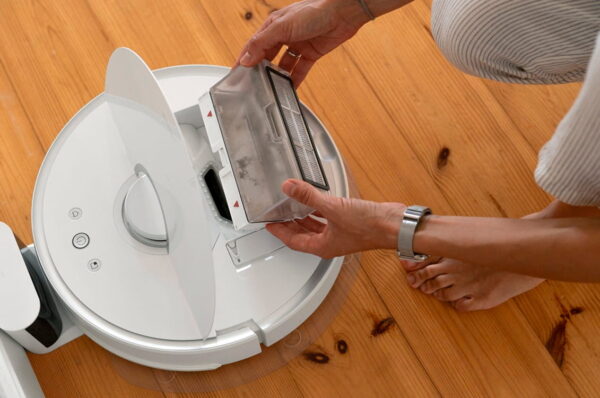
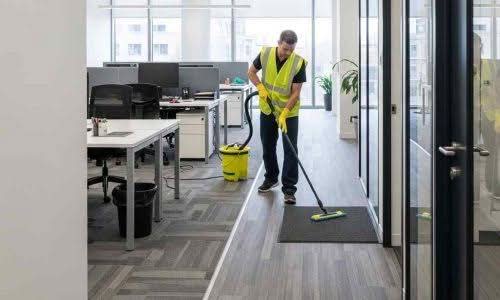
In-house staff can manage day-to-day tidiness, but deep cleaning requires commercial-grade equipment (HEPA-filtered vacuums, HVAC duct tools, industrial extraction machines) and trained technicians who know how to safely treat different surfaces without causing damage. Professional cleaners also carry the right insurance and follow documented WHS-compliant procedures — something that matters if your business is ever audited.
For most commercial spaces, the most cost-effective approach is: routine cleaning handled in-house or by a regular contractor, with scheduled professional deep cleans layered on top every 1–3 months depending on your industry.
How to Choose the Right Commercial Deep Cleaning Provider
Look for a provider that can demonstrate:
- Experience in your specific industry (healthcare, hospitality, corporate, industrial)
- Trained and insured staff, with clear WHS-compliant processes
- Eco-friendly, low-VOC cleaning products where possible
- Transparent, customised quoting rather than fixed generic packages
- Verifiable reviews and case studies
Frequently Asked Questions
How often should a commercial space get a deep clean?
Most businesses benefit from a professional deep clean every 1 to 3 months, though high-traffic environments like restaurants, clinics, and gyms may need it monthly or more frequently.
What’s the difference between deep cleaning and regular office cleaning?
Regular cleaning handles daily surface tidiness (bins, desks, floors), while deep cleaning targets embedded dirt in carpets, grout, HVAC systems, and high-touch areas that routine cleaning can’t reach.
Does deep cleaning help with workplace compliance?
Yes. Many industries — particularly food service, healthcare, and manufacturing — have hygiene obligations under WHS regulations. Regular deep cleaning helps businesses meet these standards and avoid compliance issues.
Is professional deep cleaning worth the cost for small businesses?
Yes. It reduces long-term costs from equipment damage, furniture replacement, and staff sick days, while also protecting your brand’s first impression with clients.
Can deep cleaning improve indoor air quality?
Yes. Cleaning HVAC systems, air ducts, and filters removes dust, mould, and allergens that circulate through the air, directly improving air quality and reducing respiratory irritation.
How long does a commercial deep clean take?
This depends on the size and condition of the space, but most offices and retail spaces are fully deep cleaned within a single day, often after hours to avoid disrupting business operations.
Final Thoughts: Make Deep Cleaning Part of Your Operational Strategy
Deep cleaning isn’t an occasional nice-to-have — it’s a direct investment in employee health, customer trust, asset longevity, and regulatory compliance. Businesses that build it into a regular schedule consistently see fewer sick days, longer-lasting assets, and a stronger first impression with every client who walks through the door.
If your commercial space hasn’t had a professional deep clean recently, now is the time to plan one — before dust, grime, and wear start costing you more than the clean itself would.