Introduction
Grab a bottle of dish soap or an all-purpose household cleaner and you can technically “wash” a car with it — but you’ll also be stripping wax, dulling clear coat, and setting yourself up for premature paint fade. Melbourne’s climate doesn’t make this any easier. Four seasons in one day, harsh UV in summer, road salt residue after coastal drives, and grit from construction-heavy suburbs all put extra strain on a vehicle’s exterior.
This is exactly why professional carwash chemicals exist as a separate category from what you’ll find on a supermarket shelf. They’re pH-balanced, purpose-built for automotive surfaces, and formulated to tackle Melbourne-specific grime like tree sap on tram-lined streets, bore water spotting, and bushfire-season dust — without degrading paint, rubber seals, trim, or protective coatings.
In this guide, we’ll break down what actually separates professional-grade products from consumer alternatives, which chemicals matter most for different parts of your car, how Victoria’s environmental rules affect what a compliant carwash should be using, and how to choose a service (or products) that protect your investment rather than slowly wearing it down.
Why Household Cleaners Fall Short on Cars
Most household cleaning products — dish soap, glass cleaner, all-purpose sprays — are formulated for kitchens and bathrooms, not clear coat and automotive rubber. They tend to be highly alkaline or contain harsh surfactants that:
- Strip wax and sealants, leaving paint exposed to UV and oxidation
- Dry out rubber and vinyl trim, causing cracking over time
- Leave streaking or hazing on modern ceramic-coated finishes
- Damage anodized or painted alloy wheels with the wrong pH level
Professional automotive chemicals are engineered around a specific pH range (typically neutral to mildly alkaline for pre-washes, and pH-neutral for the actual wash stage) precisely so they clean without attacking the coating underneath. This pH-conscious approach is a core part of what’s broadly known as automobile detailing — a discipline built around preserving a vehicle’s finish, not just removing visible dirt.
What Makes a Carwash Chemical “Professional-Grade”
1. Purpose-Built Formulation, Not General-Purpose Cleaning
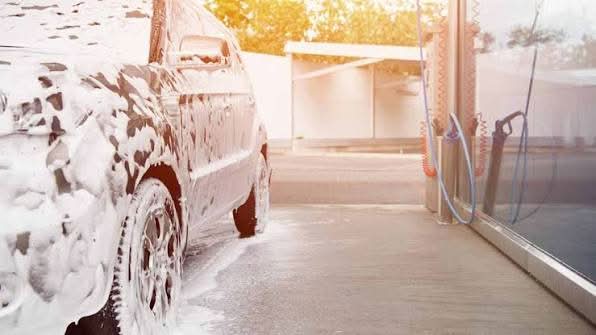
Every product in a professional carwash range is designed for one job: pre-wash foam to encapsulate and lift dirt before contact, wheel and tyre cleaners balanced for brake dust without corroding alloy, interior vinyl and leather conditioners with UV inhibitors, and glass cleaners free of ammonia (which can damage tinted windows — a common feature on Melbourne cars).
2. Genuine Cleaning Power Against Stubborn Contaminants
Bird droppings, tree sap, bitumen overspray, and industrial fallout are common across Melbourne’s inner suburbs and outer growth corridors alike. Professional degreasers and tar removers are formulated to break down these contaminants at a molecular level, rather than just diluting and smearing them — which is often what happens with a generic all-purpose spray.
3. Finish Protection, Not Just Dirt Removal
Quality carwash chemicals are pH-balanced so they don’t cut through wax, ceramic coatings, or paint protection film (PPF). Many premium ranges include polymer or SiO2-based additives that add hydrophobic (water-repelling) properties, helping the paint self-clean between washes and resist water spotting — a genuine issue with Melbourne’s mineral-heavy mains water in some suburbs.
4. Weather and UV Resistance
Melbourne’s UV index regularly climbs into the “very high” to “extreme” range in summer. Products with UV inhibitors — particularly tyre and trim dressings — help prevent the fading, browning, and cracking that unprotected rubber and plastic experience after repeated sun exposure.
5. Consistent, Repeatable Results
Because professional chemicals are formulated to tight quality standards, a detailer gets the same result wash after wash. Supermarket products vary more in concentration and consistency, making outcomes less predictable — especially on darker paint colours where swirl marks and streaking show up more easily.
The Core Product Categories Used by Professional Detailers
| Category | Purpose | Why It Matters |
|---|---|---|
| Pre-wash / snow foam | Loosens dirt before contact | Reduces swirl marks and scratching |
| pH-neutral shampoo | Main wash stage | Cleans without stripping wax or coatings |
| Wheel & tyre cleaner | Removes brake dust, road grime | Formulated to avoid corroding alloys |
| Degreaser | Cuts through engine bay and tar residue | Breaks down oil-based contaminants |
| Interior cleaner/conditioner | Vinyl, leather, plastic care | UV protection, prevents cracking |
| Glass cleaner (ammonia-free) | Streak-free windows | Safe for tinted glass |
| Sealant / ceramic booster | Adds a protective, hydrophobic layer | Extends time between washes, resists water spots |
Melbourne-Specific Challenges Professional Chemicals Are Built to Handle
- Four-seasons-in-a-day weather: rapid shifts between sun, rain, and wind mean paint is exposed to inconsistent conditions that professional sealants and waxes are designed to buffer against.
- Tram and tree-lined inner suburbs: heavy sap and residue build-up in areas like Fitzroy, Carlton, and South Yarra call for dedicated tar and sap removers.
- Coastal and bayside driving: salt residue from trips along the Mornington Peninsula or Great Ocean Road accelerates corrosion on wheels and undercarriage if not properly rinsed and treated.
- Construction dust in growth corridors: outer suburbs with ongoing development (e.g. Officer, Cranbourne, Tarneit) see higher fallout contamination, which needs a clay bar or decontamination wash rather than a standard rinse.
DIY vs Professional Carwash: A Realistic Cost Comparison
Buying professional-grade chemicals for home use is possible, but the economics only make sense at a certain frequency:
- Occasional washing (monthly or less): A professional detailing service is usually more cost-effective than buying a full range of dedicated products you’ll use only a handful of times a year.
- Regular DIY washing (weekly/fortnightly): Investing in a quality pH-neutral shampoo, a wheel cleaner, and a spray sealant can pay for itself, provided you also have correct equipment (grit guards, microfibre wash mitts, two-bucket method) to avoid introducing swirl marks.
- Fleet or multiple vehicles: Professional services generally offer better value and consistency than sourcing and storing multiple chemical types at home.
Book a consultation with Concept Kleen
How to Choose a Professional Carwash Service in Melbourne
When evaluating a detailer or carwash provider, look for:
- Transparency about products used — reputable operators will tell you what chemicals go on your car and why.
- Biodegradable, EPA-aligned practices — wastewater handling matters for the environment and often correlates with overall care quality.
- Specific treatments for your paint type and colour — dark colours, matte finishes, and PPF-wrapped vehicles all need different approaches.
- Reviews and before/after evidence — genuine results, not just marketing claims.
- Add-on protection options — ceramic coating, paint sealant, or interior UV protection for long-term value.
Frequently Asked Questions
Are professional carwash chemicals safe for all car paint types, including matte finishes?
Most professional ranges include pH-neutral, matte-specific formulas, since standard glossy-finish waxes and sealants can leave matte paint looking shiny or patchy. Always check the product is labelled matte-safe, or ask your detailer directly.
How often should I get my car professionally washed in Melbourne?
For most daily drivers, every 2–3 weeks is a reasonable baseline, increasing to weekly during high-pollen seasons (spring) or after coastal trips where salt exposure is higher.
Do professional carwash chemicals cost more than a supermarket carwash?
Per-wash, yes, they’re typically more expensive than a basic drive-through wash. However, the reduced risk of paint damage, swirl marks, and premature fading often offsets the cost over the life of the vehicle, particularly for resale value.
Is it true that some household cleaning products can void a ceramic coating warranty?
Yes — many ceramic coating manufacturers specify pH-neutral, coating-safe shampoos in their warranty terms. Using an alkaline household cleaner can strip the coating and void coverage.
What should I ask a Melbourne car detailer before booking?
Ask what products they use, whether their wastewater management is EPA-compliant, whether they offer paint-specific treatment, and whether they provide any guarantee on the finish.
Can I use professional carwash chemicals at home?
Yes, most are available for consumer purchase. Just ensure you’re using the correct technique (two-bucket wash, microfibre mitts, grit guards) to avoid introducing scratches, since the product alone won’t prevent swirl marks from improper washing technique.
Conclusion
The difference between a supermarket cleaner and a professional carwash chemical isn’t marketing spin — it comes down to pH balance, formulation for specific automotive surfaces, and protection against Melbourne’s particular mix of UV exposure, tree sap, coastal salt, and construction dust. Choosing the right products (or the right professional service) protects your paint, extends the life of your interior, and preserves resale value, all while reducing environmental impact when biodegradable, EPA-aligned chemicals are used.
If you’d rather leave the technique and product selection to specialists, Concept Kleen’s team uses professional-grade, environmentally responsible carwash chemicals suited to Melbourne’s conditions — so your car stays protected, not just clean.