
Brake cleaners are essential tools for any mechanic or car enthusiast, but they are often handled carelessly. If used improperly, they can lead to dangerous health risks, environmental damage, and even reduced efficiency in your vehicle’s performance. As an owner of Concept Kleen, I understand the importance of both safety and efficiency. This guide will teach you the right way to use brake cleaner, ensuring it works at maximum efficiency while also protecting your health and the environment.
What Is Brake Cleaner and Why Is It Important?
What Is Brake Cleaner?
Brake cleaner is a specialised solvent designed to remove grease, oil, and other contaminants from brake parts. This ensures that brakes function smoothly, effectively, and without any build-up that could impair their performance.
It comes in two main types:
- Aerosol Brake Cleaner – The most common type, used for quick cleaning.
- Non-Aerosol Brake Cleaner – Available in liquid form for applications where aerosol sprays are not ideal.
Why Brake Cleaner Matters
Without regular cleaning, brake parts like pads, rotors, and calipers can accumulate dirt, oil, and dust. This can cause uneven wear, reduced braking performance, and even safety issues. Brake cleaner helps maintain the system’s integrity, ensuring your vehicle stays safe on the road. Explore Brake Cleaner products:
How to Choose the Right Brake Cleaner
Consider the Type of Vehicle
When choosing a brake cleaner, it’s important to select one that suits your vehicle’s specifications. For example, high-performance cars or trucks may require a more industrial-strength cleaner, while everyday sedans may only need a light-duty option.
Check for Safety Standards
Not all brake cleaners are created equal. Always check the label for compliance with Australian safety standards. Read more about Australian safety standards for automotive products. Look for products that are free of harmful chemicals like chlorinated solvents, which can be dangerous to both the environment and your health.
Eco-Friendly Options
With growing concerns about environmental impact, many manufacturers now offer eco-friendly brake cleaners. These are non-toxic, biodegradable, and free of harsh chemicals, making them a safer choice for both the environment and personal health.
How to Safely Use Brake Cleaner
Step 1: Preparation
Before using brake cleaner, ensure that you have the correct tools and protective equipment. This includes:
- Safety Glasses: Protect your eyes from splashes or fumes.
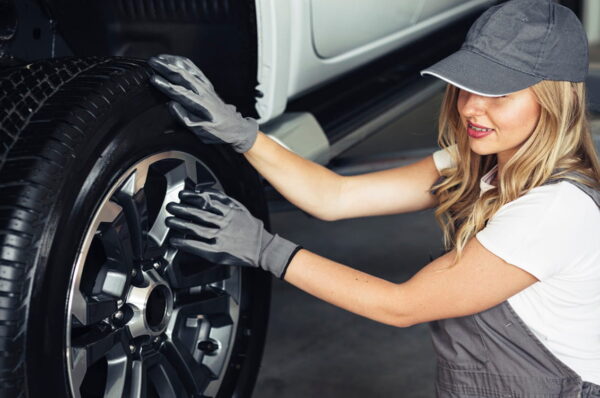
- Gloves: Use chemical-resistant gloves to avoid skin contact.
- Ventilated Area: Work in a well-ventilated area, such as an open garage or outdoors, to avoid inhaling harmful fumes.
Step 2: Apply the Brake Cleaner
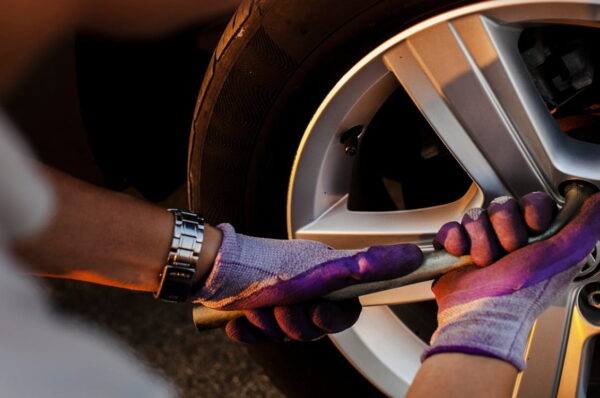
- Remove the Wheel: Safely lift the vehicle and remove the wheel to access the brake components.
- Spray the Cleaner: Hold the can or nozzle 15-30 cm away from the brake parts. Apply the cleaner directly to the brake pads, rotors, and calipers, targeting any visible dirt or grease.
- Avoid Excessive Spraying: Don’t overspray as brake cleaner evaporates quickly. Apply just enough to break down grease and grime.
Step 3: Wipe Down the Area
Once the brake cleaner has done its job, use a clean, lint-free cloth to wipe away any remaining cleaner and debris. This helps ensure that no residual cleaner affects brake performance.
Step 4: Reassemble and Test
Once the components are clean and dry, reassemble the brakes and replace the wheel. Test the brakes carefully to ensure everything functions as expected before driving.
Safety Tips for Using Brake Cleaner
Protect Yourself from Toxic Fumes
Brake cleaners, especially aerosol varieties, can release harmful fumes that can be harmful to your health. Always use brake cleaner in a well-ventilated area, and avoid inhaling the fumes directly. Wearing a respiratory mask is a good precaution.
Avoid Skin Contact
Brake cleaners contain powerful solvents that can irritate or even damage skin. If any product comes into contact with your skin, wash it off immediately with soap and water. Wearing gloves is highly recommended.
Dispose of Waste Properly
Always follow local regulations for disposing of used brake cleaner and any contaminated rags or cloths. Do not pour it down the drain or throw it in regular trash. Dispose of it in an environmentally responsible manner to prevent contamination of water sources.
Common Mistakes to Avoid
1. Using Brake Cleaner on Hot Components
Always allow the brakes to cool down before applying brake cleaner. Applying cleaner to hot surfaces can cause the cleaner to evaporate too quickly, making it less effective. It could also result in potential harm to the brake parts.
2. Over-Spraying
You don’t need to drown your brakes in cleaner. Too much brake cleaner can lead to waste and environmental damage. Spray just enough to clean the parts effectively.
3. Ignoring Manufacturer Instructions
Each brand of brake cleaner may have different guidelines for use. Always read the label and follow manufacturer instructions to ensure safe and efficient cleaning.
Maximising Brake Cleaner Efficiency
Keep Brake Components in Good Condition
Regularly clean your brakes using the correct method and interval. This ensures optimal performance and extends the life of your brake components.
Combine with Regular Maintenance
Brake cleaner is an excellent tool, but it works best when combined with regular maintenance. Check brake pads, rotors, and fluid levels to ensure overall brake health.
Use the Right Amount
Applying the appropriate amount of brake cleaner and allowing it to sit for the necessary time will maximise its effectiveness. Overusing the cleaner won’t necessarily result in a cleaner system but could result in waste and unnecessary chemical exposure.
Conclusion
Brake cleaner is a powerful tool for maintaining your vehicle’s braking system. By using it properly, you can ensure maximum efficiency, safety, and performance. Always remember to follow safety guidelines, use the correct cleaner, and dispose of waste responsibly. With the right approach, brake cleaner can be a key part of your vehicle maintenance routine, keeping your car running smoothly and safely on the road.