
Introduction: Understanding Buffing Pads & Their Importance
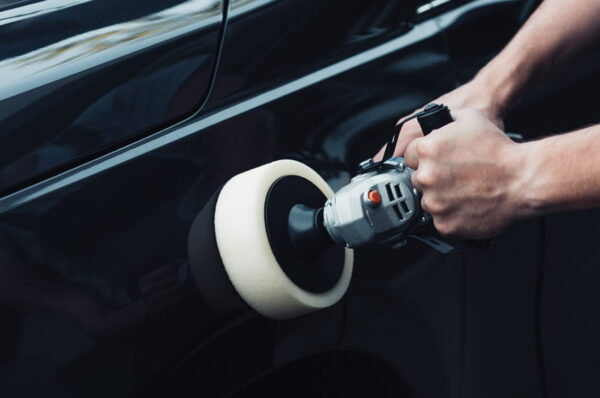
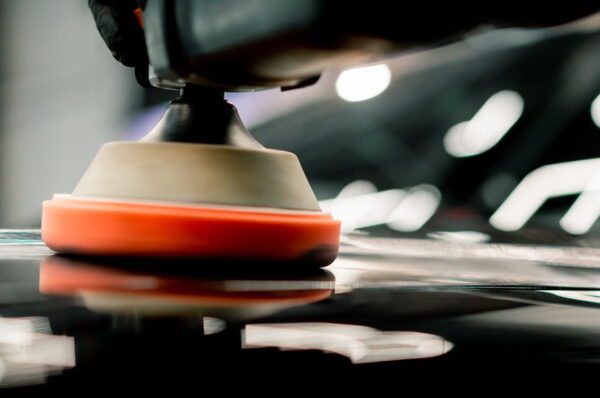
Buffing pads play a crucial role in the vehicle detailing process, contributing to both the efficiency and quality of the work. As an essential tool for polishing and finishing, they can make or break the appearance of a car’s paint job. However, even the best pads can cause issues if used improperly. Types of Buffing Pads and Their Applications:
- 6″ Black Polishing Buff Pad
- 6″ Green Polishing Buff Pad
- 6″ Red Polishing Buff Pad
- 6″ Yellow Polishing Buff Pad
- 8″ Red Polishing Buff Pad
- Foam Detailing Sponge Pads
- Magic Sponge
- Microfibre Car Cleaning Pad
- Tyre Dressing Applicator
- White Scourer
1. Choosing the Wrong Buffing Pad for the Job
Mistake: Not all buffing pads are created equal. Each type is designed for specific tasks like cutting, polishing, or finishing. Choosing the wrong pad for the task at hand can result in a less than desirable finish and even damage to the paint.
How to Avoid It:
Before starting your job, assess the condition of the vehicle’s paint. If you’re working with heavy swirl marks or oxidation, a cutting pad with a more aggressive surface will be necessary. For light scratches or a polished finish, go for a softer pad that is designed for refinement. Remember, the pad should match the product (polish, compound, etc.) you’re using.
Tip: If in doubt, consult with your supplier or look at the manufacturer’s recommendations for your specific car type and paint condition.
Overusing or Underusing the Compound/Polish
Mistake: Applying too much product or not enough product on the buffing pad can lead to inefficient results and, in some cases, damage the paintwork. Overusing can also cause excessive residue, making it hard to get a clean finish, while underusing may not remove imperfections adequately.
How to Avoid It:
Start with a small amount of product, then apply more as needed. A pea-sized amount is usually sufficient for most areas. Distribute the product evenly across the pad before beginning your work to prevent product splatter.
Tip: Make sure the product is worked into the paint and not just applied on the surface of the pad to avoid wastage.
3. Applying Too Much Pressure on the Pad
Mistake: Applying too much pressure when using a buffing pad can lead to several issues, including pad wear, poor results, and even paint damage. While it’s tempting to push harder to see quicker results, this only puts more strain on both the tool and the vehicle’s surface.
How to Avoid It:
Let the buffing pad do the work. Light to moderate pressure is sufficient, allowing the pad to glide across the surface without digging into the paint. Focus on the speed and consistency of your movements instead of excessive force.
Tip: Allow the weight of the buffer to carry the pressure, and adjust the speed based on the task (e.g., slow for cutting, faster for polishing).
4. Not Keeping the Buffing Pad Clean
Mistake: Dirty pads can cause streaks, scratches, and an uneven finish. Dust, grime, and leftover compound build-up on the pad can easily transfer onto the paint, leading to a subpar result.
How to Avoid It:
After each section, inspect the pad for dirt or compound build-up. Regularly clean the pad during use by tapping it on a clean surface or using a pad cleaning brush. For heavy residue, it’s best to give the pad a thorough wash after each use.
Tip: Clean your pads after every session to extend their lifespan. If you’re using multiple pads, it’s a good idea to switch them out as needed to maintain consistency. For additional cleaning tips, refer to Safe Work Australia for workplace hygiene practices and safe handling of automotive materials.
5. Using the Wrong Speed Setting on the Buffer
Mistake: Using an incorrect speed setting can cause overheating of the pad, uneven application, or even swirls in the paintwork. For instance, using a high speed on a soft pad can lead to over-polishing or burning of the paint, while low speed on a cutting pad might not yield the desired results.
How to Avoid It:
Adjust the speed according to the task at hand. Use lower speeds (around 1200–1800 RPM) for polishing and finishing, and higher speeds (1800–2500 RPM) for cutting or heavy-duty work. Always read the manufacturer’s guidelines for the recommended speeds for both the buffer and the pads.
Tip: Gradually increase the speed as you work to ensure the best results, but don’t start at full throttle. This helps avoid damage to both the pad and the paint.
6. Not Using a Backing Plate of the Correct Size
Mistake: The backing plate is an important part of the buffing process. Using a backing plate that is too large or too small for your buffing pad can cause uneven pressure distribution, resulting in a poor finish.
How to Avoid It:
Choose a backing plate that fits the diameter of your pad properly. If the pad is too small for the backing plate, it will not perform correctly. Conversely, if the backing plate is too large, it can cause the edges of the pad to be unsupported and lead to uneven polishing.
Tip: Ensure your backing plate is compatible with both your machine and the pad you intend to use. It should provide solid support across the entire pad.
Not Giving Buffing Pads Time to Break In
Mistake: Using a buffing pad immediately out of the box can lead to less efficient results. New pads may not perform optimally until they’ve had time to break in.
How to Avoid It:
Take a few minutes to work the pad lightly before starting the job. This will ensure that the pad is properly primed and can perform at its best. For foam pads, you can “condition” them by lightly applying product and using the pad in a low-speed setting to help it conform to the surface.
Tip: Avoid jumping straight into the intense cutting or polishing phase. A quick break-in can make a big difference in pad performance.
8. Failing to Replace Worn-Out Pads
Mistake: Buffing pads wear out over time, and using old or damaged pads can lead to poor results and even damage to your car’s paint. Worn-out pads lose their efficiency and can cause more harm than good.
How to Avoid It:
Inspect your pads regularly. If they show signs of wear (e.g., flattening, tearing, or hardening), it’s time to replace them. Rotating your pads and keeping backups on hand ensures consistent results and protects your vehicle’s finish.
Tip: Keep a variety of pads on hand, including soft finishing pads, medium polishing pads, and more aggressive cutting pads for different detailing stages.
Conclusion: Buffing Pads – The Key to a Professional Finish
Buffing pads are a crucial tool in any detailing arsenal. By avoiding these common mistakes, you can ensure that you’re getting the best possible results from your efforts. Remember, the key to perfect paint correction and restoration lies in understanding your tools, using them correctly, and giving them the attention they deserve.
If you’re ever in doubt about the right pad, pressure, or product for the job, don’t hesitate to reach out to your local supplier or consult with detailing experts. With the right knowledge and attention to detail, you’ll get a flawless finish every time.