
When it comes to keeping your car looking its best, the right tools make all the difference. One such essential tool in any car detailing kit is the car buffing pad. Selecting the right one can transform a dull, scratched paint job into a glossy, flawless finish. But with so many options available, how do you choose the best buffing pad for your car’s unique needs?
What is a Car Buffing Pad?
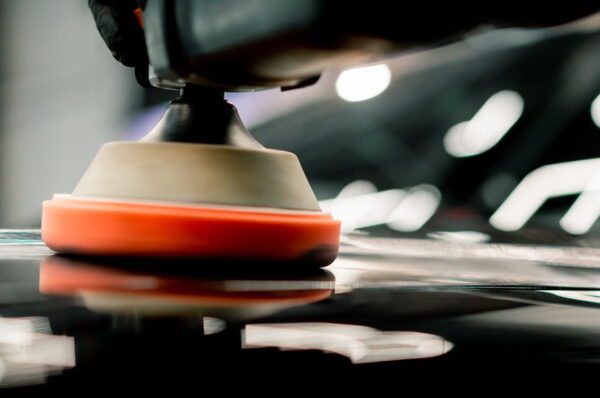
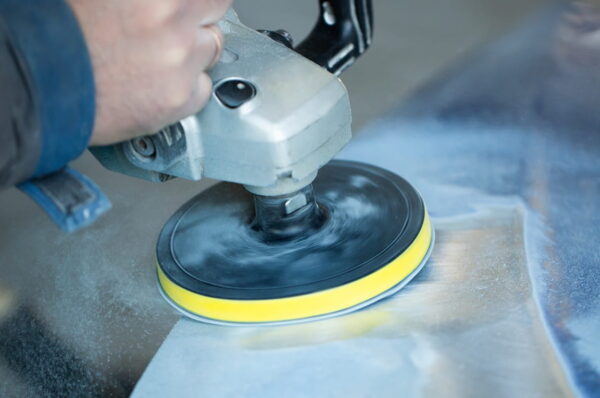
A car buffing pad is a circular, often soft material that attaches to a polishing or buffing machine, used to apply compound, polish, or wax onto your car’s paint. The pad’s main role is to smooth out imperfections in the paint, such as swirl marks, scratches, and oxidation, to reveal a shiny, smooth finish. Buffing pads come in various types, materials, and densities, and selecting the right one can make or break your detailing session.
Types of Buffing Pads: Which One Suits Your Needs?
When it comes to buffing pads, not all are created equal. The type of pad you choose will depend on the specific results you’re looking for, as well as your vehicle’s paint condition. Below are the most common types of pads:
- 6″ Black Polishing Buff Pad
- 6″ Green Polishing Buff Pad
- 6″ Red Polishing Buff Pad
- 6″ Yellow Polishing Buff Pad
- 8″ Red Polishing Buff Pad
- Foam Detailing Sponge Pads
- Magic Sponge
- Microfibre Car Cleaning Pad
- Tyre Dressing Applicator
- White Scourer
Understanding Buffing Pad Colour Codes
Buffing pads often come with colour coding systems, each indicating the intended purpose or the level of aggressiveness of the pad. Here’s a quick guide to help you understand the basic colour code system:
- White/Beige: Soft, used for applying polishes or finishing.
- Yellow: Medium, used for light to moderate correction.
- Orange: Heavy-cut, used for medium correction and polishing.
- Green/Blue: Aggressive, used for deeper cutting and heavy correction.
- Black: Finishing, used for applying wax or sealants.
Choosing the right colour pad for the job is essential to achieving the best results without damaging the paint.
How to Choose the Right Buffing Pad for Your Vehicle’s Paint
Consider Your Car’s Paint Condition
The first thing to assess is your car’s current paint condition. Is it in great shape, needing only a light polish? Or does it have scratches, swirls, or oxidation that require more aggressive correction?
- For light swirls and oxidation: A medium foam or microfibre pad would do the job.
- For more severe scratches or oxidation: You’ll need a firm foam or wool pad for heavy cutting.
Match the Pad to the Correct Compound or Polish
The buffing pad you choose should complement the compound or polish you are using. Different products require different levels of abrasiveness, so selecting the right combination is key.
- Polishing Compounds: These are typically used with medium to soft pads (foam or microfibre).
- Cutting Compounds: These require more aggressive pads (firm foam or wool).
- Finishing Products: Use soft, non-aggressive pads (foam or microfibre).
Consider Your Buffing Machine
Not all buffing machines are the same. The type of machine you use can impact the effectiveness of the buffing pad.
- Dual-Action Polishers: These are more forgiving and suited to beginners, and they pair well with soft to medium foam pads.
- Rotary Polishers: These are more powerful and are best used by experienced detailers, often with firm foam or wool pads for heavy correction.
Buffing Pad Size: Does It Matter?
Yes, the size of your buffing pad matters. The size you choose will depend on the size of your vehicle and the type of polishing machine you’re using. Larger pads are typically more effective for larger areas like the bonnet or roof, while smaller pads are better for intricate areas like around mirrors, door handles, or tight corners.
Tips for Using Buffing Pads Effectively
- Test on a Small Area First: Always test your pad and product combination on a small, inconspicuous area before proceeding with the entire vehicle.
- Don’t Overload the Pad: Too much compound can cause smearing or excess product build-up.
- Clean the Pad Regularly: A dirty pad can damage your car’s paint and reduce the effectiveness of your polishing process.
- Work in Sections: Don’t try to polish the entire car at once. Work on smaller sections for better control and results.
For additional safety and handling tips, refer to Safe Work Australia’s Guidelines for Car Maintenance.
Common Mistakes to Avoid When Buffing Your Car
- Using Too Aggressive a Pad: This can damage your paint, especially if you’re a beginner. Start with softer pads and work your way up.
- Not Cleaning the Pad: A clogged or dirty pad can cause swirl marks and uneven polishing.
- Buffing for Too Long: Over-buffing can cause heat buildup and lead to paint damage. Move the machine in a slow, controlled manner.
- Choosing the Wrong Compound: Using a compound that’s too strong for the task can harm the paint. Match your products to your pad for the best results.
Conclusion: The Right Buffing Pad Can Make All the Difference
Selecting the right buffing pad for your vehicle’s paint job isn’t a one-size-fits-all decision. By considering the condition of your paint, the right type of pad, and pairing it with the appropriate compound, you’ll be on your way to achieving that showroom-worthy finish. Whether you’re a DIY enthusiast or a professional, using the correct buffing pad is essential for protecting your car’s finish while enhancing its overall appearance.
Happy detailing!