
When it comes to achieving that flawless, polished finish on your car, furniture, or any other surface, buffing pads are essential tools. But have you ever wondered how these seemingly simple pads actually work? Let’s dive into the science behind buffing pads, and uncover how they help achieve that smooth, high-gloss shine.
What is a Buffing Pad?
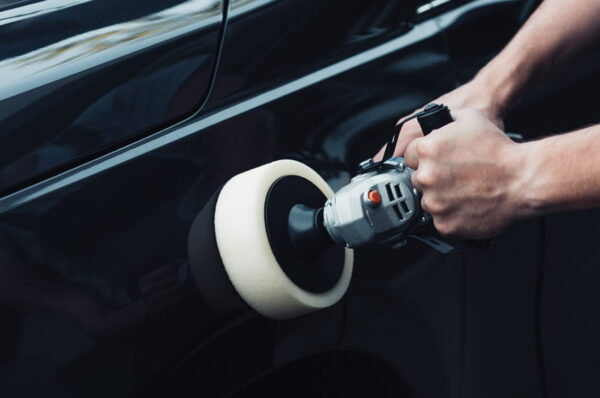
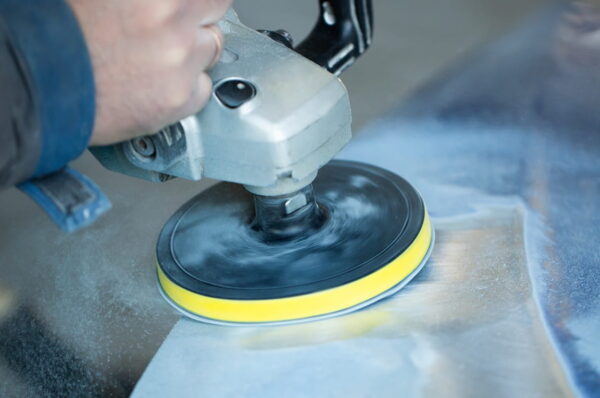
Buffing pads are tools used in conjunction with a polishing machine to apply wax, polish, or other finishing products to a surface. They’re often used in car detailing, but can also be used on other surfaces like wood, metal, or granite.
Made from a variety of materials such as foam, microfiber, or wool, buffing pads are designed to aid in the smoothing and polishing process by generating friction and evenly distributing polishing compounds. While they seem simple at first glance, there’s more going on under the surface than meets the eye.
The Role of Friction in Buffing
At the core of how buffing pads work is the concept of friction. When a buffing pad is pressed against a surface and rotated, it generates heat through friction. This heat helps break down the polish or compound applied to the surface, allowing it to bond with the surface and produce a shiny finish.
Different materials and textures of buffing pads create varying levels of friction. For instance:
- Foam pads are gentle and perfect for light polishing and waxing.
- Microfiber pads offer higher cutting power, ideal for heavy-duty polishing or removing imperfections.
- Wool pads provide intense abrasion, often used for heavy correction and deep scratch removal.
Each type of pad is designed to optimise the balance of friction and heat to suit different tasks, whether it’s a light polish or heavy surface correction.
Types of Buffing Pads and Their Applications
Buffing pads aren’t one-size-fits-all tools. Different pads serve different purposes, depending on the surface and the result you want to achieve. Let’s break down some common types of buffing pads:
- 6″ Black Polishing Buff Pad
- 6″ Green Polishing Buff Pad
- 6″ Red Polishing Buff Pad
- 6″ Yellow Polishing Buff Pad
- 8″ Red Polishing Buff Pad
- Foam Detailing Sponge Pads
- Magic Sponge
- Microfibre Car Cleaning Pad
- Tyre Dressing Applicator
- White Scourer
How Do Buffing Pads Affect the Finish?
The primary purpose of a buffing pad is to help achieve a flawless finish by enhancing the effects of polishing compounds. Here’s how:
- Even Application: The rotating action of the buffing pad ensures that the polish is applied evenly across the surface, preventing streaks and blotches.
- Surface Correction: Pads with more abrasive textures, like wool or heavy-duty microfiber, can help level the surface by removing imperfections, such as swirl marks or oxidation.
- Smoothness and Gloss: Foam pads, especially those with a finer texture, help polish the surface to a smooth, glossy finish, making the surface look as new as possible.
The Importance of Pad and Compound Compatibility
One critical aspect of using buffing pads effectively is choosing the right pad and compound combination. The texture and density of the pad need to be compatible with the chemical properties of the compound you are using. For example:
- Using a soft foam pad with a fine polish will help you achieve a smooth, glossy finish.
- A more aggressive wool pad paired with a compound designed for cutting can remove deeper scratches and imperfections.
Getting this combination right ensures a quicker, more efficient process and a better result.
The Mechanics of Buffing Pads: Understanding the Rotation
Most buffing pads work in a rotating motion, either through random orbital or rotary motion. The rotary action rotates the pad in a single direction, while random orbital buffers make the pad move in an unpredictable, circular pattern. The choice of machine and pad rotation can affect how the pad interacts with the surface:
- Rotary Buffers: These provide consistent, direct friction, which can be effective for heavy correction but may cause damage if not used correctly.
- Orbital Buffers: The randomness of the orbital motion prevents heat build-up and reduces the risk of damage, making them ideal for beginners or those seeking a more controlled finish.
For more information on tools and their applications in automotive detailing, visit Consumer Affairs Victoria’s resource page.
Caring for Your Buffing Pads
Maintaining your buffing pads is just as important as using them correctly. Pads should be cleaned after each use to remove any product build-up and prevent clogging. Leftover polish or compound can affect performance in subsequent uses.
Here are some quick tips for maintaining your buffing pads:
- Clean the pads: After each use, wash the pad thoroughly with warm water and a mild detergent. Allow it to air dry completely before storing.
- Check for damage: Inspect the pad regularly for wear and tear, especially around the edges. Replacing worn-out pads will ensure you get the best performance from your tools.
- Avoid cross-contamination: Use different pads for different tasks (e.g., one pad for cutting, one for polishing) to prevent cross-contamination of products, which can lead to subpar results.
Conclusion: The Power of Buffing Pads in Detailing
Buffing pads play a pivotal role in the process of polishing and detailing. Their design, material, and level of abrasiveness are all key factors that influence the outcome of your work. Whether you’re restoring the shine of a well-loved car, refinishing a piece of furniture, or completing any other surface-detailing task, understanding the science behind buffing pads can help you use them more effectively.
The right pad, paired with the correct compound and used with the proper technique, can make all the difference in achieving a professional-level finish.
So next time you reach for that buffing pad, you’ll have a better understanding of how it works and why it’s such an indispensable tool in your detailing arsenal.